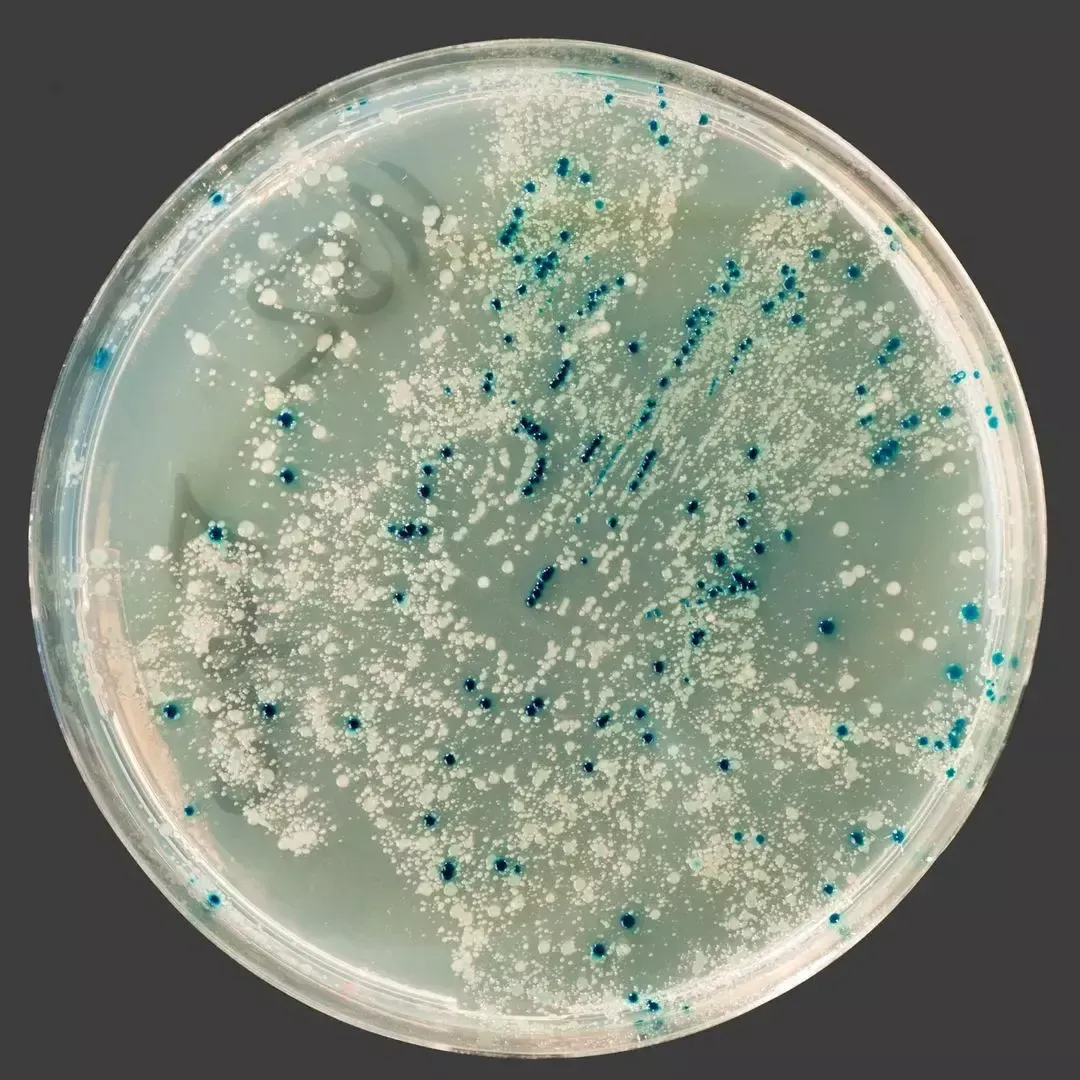
Clear, jargon-free explanations of what mold is, why it keeps coming back, why traditional methods fall short, and how patented VaPURE dry fog reaches where cleaning never can.
What mold actually is — and why it keeps coming back.
Mold is a type of fungus that can thrive anywhere there is dampness and moisture — basements, bathrooms, kitchens, and other damp areas of a home or office. Mold spores are microscopic and can be found even in the neatest of environments; everyone is exposed to small amounts of mold in the air they breathe. Mold can appear black, white, orange, green, or purple. Some common types include:
Acremonium
Aspergillus
Chaetomium
Mucor
Black Mold (Stachybotrys Chartarum)
The challenge of mold
Often known as “black mold,” mold is a widespread issue affecting an estimated 70% of homes. It flourishes in damp, concealed corners of living and working spaces — ceiling tiles, windows, pipes, cupboards, carpets — and can proliferate within a day or two of settling on a moist surface. By the time growth becomes visible, it has often already spread elsewhere, which is what makes it such a persistent problem.
Why DIY solutions fall short
When confronted with a mold problem, the temptation to reach for a DIY fix is understandable. But independent attempts can expose you to toxic microscopic spores, overlook hidden growth in nooks and crannies, and harsh chemicals can damage surrounding materials. Effective mold removal needs swift, decisive action — which is why engaging a professional remediation specialist matters.
Is mold toxic?
While mold is frequently viewed as toxic, direct contact (touch) with mold typically doesn't directly cause illness — it needs to be ingested or inhaled for symptoms to manifest. As mold proliferates, it releases spores and chemical substances into the air, including mycotoxins, which can trigger allergies and other reactions in sensitive individuals.
Can I use bleach to get rid of mold?
No — this is a common misconception. Bleach causes mold spores to lose their color and appear to be gone, but the spores don't die. They continue growing without color, and the added moisture from liquid bleach can even increase how fast they spread.
What causes mold to grow?
Mold spores travel through open air constantly. Outdoors, they're diluted by fresh air and rarely have an effect. But when moisture is allowed to sit on a porous surface indoors, spores attach and begin growing rapidly — and once attached, it takes much more than household cleaners to break their hold.
How do I get rid of mold?
Over-the-counter products can slow mold growth aesthetically, but the leftover mold and product chemicals can still cause health effects. Pure Maintenance of Kansas is a certified remediation company using innovative VaPURE technology — without dangerous chemicals, and typically without costly demolition to your home.
The Comparison
Old-school remediation vs. patented dry fog.
Without tearing out sheet rock and carpet, the Pure Maintenance dry fog treatment penetrates every square inch of your home — seeping into carpet and in and behind walls without getting anything wet.
Traditional Remediation
Scrub, cut, and hope.
Only treats surfaces you can physically reach and scrub
Often requires tearing out sheet rock, carpet, or cabinetry
Doesn't reach inside wall cavities, HVAC systems, or porous materials
No independent lab verification that the treatment worked
Pure Maintenance VaPURE
Whole-home, verified.
7.5-micron dry fog behaves like a gas — reaches anywhere air can go
Little to no demolition — most homes treated in a single visit
Penetrates wall cavities, HVAC, mattresses, and carpet without getting anything wet
Active ingredient on the EPA's Safer Chemical Ingredients List
Before-and-after third-party lab testing confirms the result
Video
Pure Maintenance videos.
Watch a quick explainer on how the patented Pure Maintenance dry fog mold remediation process works.
Pure Maintenance founder discusses mold with Dr. Daniel Pompa
Mold Remediation — Patented Two-Step Process
VaPURE Technology Explanation Video
The Evidence
Independent research. Read it for yourself.
The VaPURE technology we use isn't just patented — it's been studied. The U.S. Army Corps of Engineers and independent research teams have evaluated it. Every paper is available below.
USACE · ERDCFort Campbell field study
U.S. Army Corps of Engineers field test of VaPURE mold remediation
A six-month evaluation by the Army's Engineer Research and Development Center of the dry-fog application system on two occupied buildings at Fort Campbell, Kentucky.
95%+Spore-count reduction sustained at 6 months post-treatment
Good Laboratory Practice efficacy reports for vapor peracetic acid
A compiled set of GLP-compliant independent laboratory tests of the vapor peracetic acid (VPA) treatment against mold, bacteria, and viral targets — the underlying chemistry behind the VaPURE process.
Log-6+Pathogen reduction across the GLP test panel
Why Pure Maintenance mold remediation and vapor decontamination is so effective
A technical explainer of the three variables — 7.5µm particle size, vapor phase change, and dwell time — that make the treatment behave like a gas and reach where surface cleaning never does.
7.5µmDry-fog droplet — 1/9th the diameter of a human hair